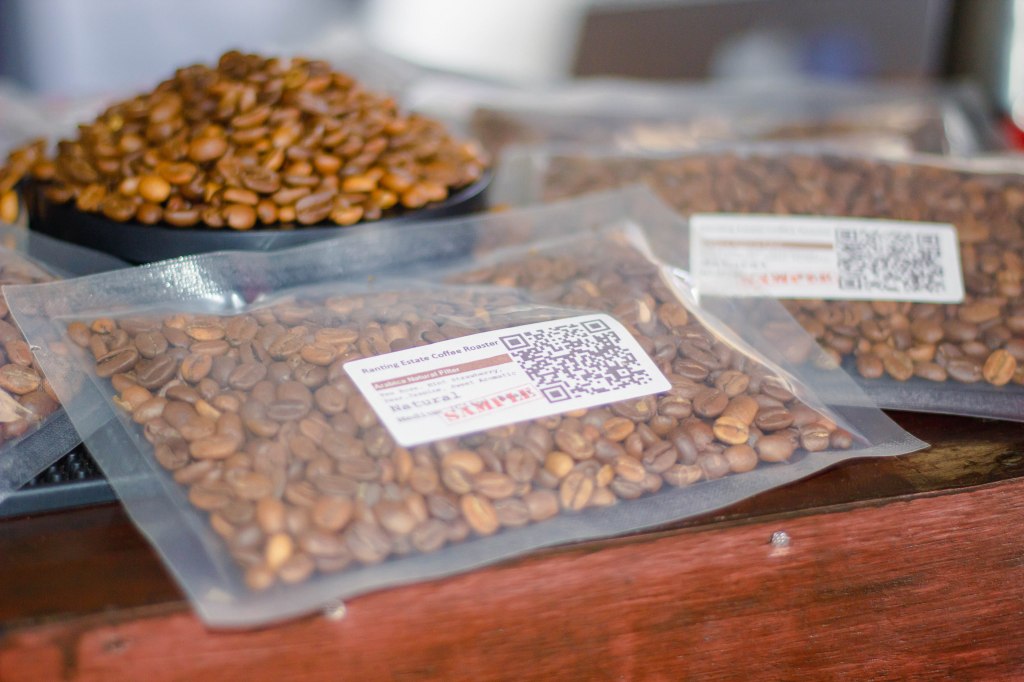
Decoding Coffee Labels: Origins, Processing, and Flavor Notes Explained
For coffee lovers, understanding coffee labels can make a world of difference in choosing the best beans to suit their taste preferences. Labels on coffee bags often include a lot of information, from origins and processing methods to roast profiles and flavor notes. Here’s a guide to help you understand what these terms mean and how they impact the coffee you brew.
1. Origin: Where Your Coffee Comes From
The origin of coffee beans influences their flavor, aroma, and overall quality. Coffee-growing regions have unique climates, altitudes, and soil conditions that affect the beans’ characteristics.
- Regions and Countries: Coffee labels often specify the country or region, such as Ethiopia, Colombia, or Guatemala. Each country produces beans with distinct qualities. For example:
- Ethiopian coffees are known for their fruity and floral notes.
- Colombian beans often have a smooth body with hints of chocolate.
- Indonesian coffee tends to be earthy and bold.
- Single Origin vs. Blends: Single-origin coffees are sourced from a specific country or farm, allowing drinkers to experience a unique profile from that area. Blends combine beans from various regions, creating a balanced and complex flavor.
2. Processing Method: How Beans are Treated Post-Harvest
After harvest, coffee beans go through different processing methods, which significantly influence the flavor. The three most common processes you’ll find on labels are:
- Washed (Wet) Process: Beans are fermented and washed to remove the cherry pulp before drying. This method emphasizes the bean’s natural acidity and clean flavors, highlighting bright, fruity, or floral notes.
- Natural (Dry) Process: Beans are dried with the cherry intact, allowing the fruit’s sugars to infuse into the beans. This method produces a rich, fruity, and sometimes wine-like profile, with added body and sweetness.
- Honey Process: In this hybrid method, part of the cherry pulp remains during drying, resulting in a balanced flavor that combines the clean acidity of washed coffee with the sweetness of natural coffee.
3. Roast Profile: Light, Medium, and Dark
Roast profiles determine the intensity of flavor and aroma in your coffee. Most labels will indicate if the beans are light, medium, or dark roast.
- Light Roast: Light roasts preserve the bean’s original flavors, making them ideal for single-origin coffees with complex notes. Expect brighter acidity, fruity notes, and lighter body.
- Medium Roast: A balanced roast with moderate acidity, sweetness, and body. Medium roasts often bring out flavors of nuts, caramel, and chocolate, making them a popular choice for those who prefer a balanced cup.
- Dark Roast: Dark roasts are bold, with less acidity and a heavier body. They often have a smoky, bittersweet taste, masking some of the bean’s natural characteristics but enhancing a full-bodied experience.
4. Flavor Notes: Tasting the Unique Character of Coffee
Flavor notes are descriptors that help communicate the taste profile you can expect. You may see words like “citrus,” “chocolate,” or “spice” on the label, which refer to the nuances in flavor you’ll taste.
- Fruity Notes: These are commonly found in lighter roasts and natural-processed beans, giving flavors reminiscent of berries, citrus, or stone fruits.
- Nutty and Chocolatey Notes: Medium roasts often highlight nutty or chocolate-like undertones, adding warmth and sweetness.
- Spicy and Smoky Notes: Darker roasts and beans from certain regions, such as Sumatra, may have earthy, spicy, or smoky flavors.
5. Understanding Elevation: Altitude and Its Impact on Taste
Higher altitudes are often associated with more flavorful beans because cooler temperatures slow down bean growth, allowing sugars to develop fully.
- High-Altitude Coffees: Often have more acidity, complexity, and refined flavors. These beans are grown at 1,200 meters or higher.
- Low-Altitude Coffees: Tend to be more mellow, with lower acidity and a smoother profile.
6. Choosing the Right Coffee Based on Labels
Once you understand coffee labels, you can choose beans that best suit your taste preferences or brewing methods:
- If you enjoy a bright, fruity coffee, look for light-roasted, single-origin beans from Ethiopia or Kenya with natural processing.
- For a balanced, everyday cup, try a medium roast with washed processing from Colombia or Brazil.
- If you prefer bold, rich flavors, go for a dark roast, Indonesian beans, or a blend that combines different regions.
Final Thoughts
Reading coffee labels gives you a deeper appreciation for the coffee you drink. With this knowledge, you can explore new flavor profiles and enhance your coffee experience. So, the next time you’re choosing beans, take a moment to look closely at the label and discover the story behind each cup.
This guide gives your readers practical insights, helping them make informed choices and explore a variety of coffee experiences. Let me know if you’d like to add more specific information about a particular aspect!
 Ranting Estate Lestari
Tinggalkan komentar