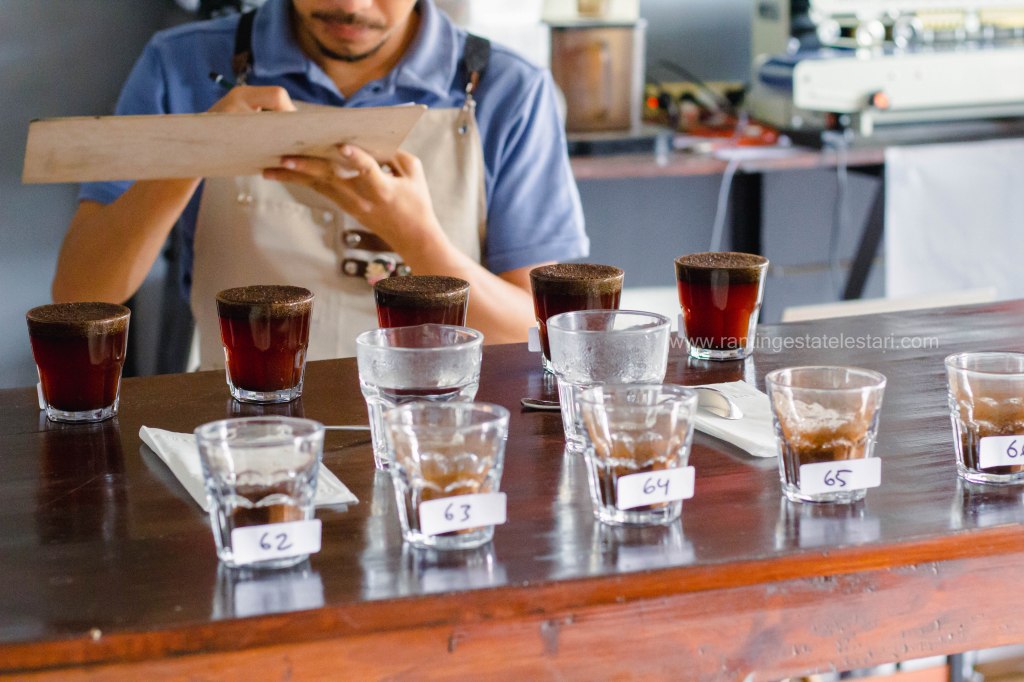
Cupping coffee is important for several reasons, especially for producers, roasters, and coffee buyers. Here are the main reasons why cupping is necessary:
1. Assessing Coffee Quality
Cupping allows for a detailed evaluation of coffee quality, including aroma, flavor, acidity, body (texture), and aftertaste. This helps ensure the coffee meets the expected quality standards before it is sold or further processed.
2. Detecting Defects or Flaws
Cupping helps identify defects or faults in the coffee, such as fermentation flavors, excessive acidity, or issues stemming from poor processing. This is important to ensure that the coffee being shipped or sold is of high quality and free from defects.
3. Comparing Different Coffees
Through cupping, coffee professionals can compare various varieties, origins, and processing methods. This aids in selecting the best coffee for blending or for specific markets. Cupping also allows roasters to determine the unique flavor profiles of each coffee.
4. Determining Roasting Profiles
For roasters, cupping is crucial to determining the best roasting profile for a particular coffee. By tasting the coffee at various stages, roasters can decide whether it should be roasted light, medium, or dark to highlight certain flavors.
5. Maintaining Quality Consistency
Cupping is done regularly to monitor the quality of different batches of coffee. This helps maintain the consistency of the coffee sold to consumers, especially for brands or products that must uphold high standards.
6. Enhancing Coffee Education and Knowledge
For baristas, roasters, and other coffee professionals, cupping is an important educational tool. It broadens their understanding of different coffee characteristics, helps them explain flavor differences to customers, and deepens their knowledge of coffee origins.
Through cupping, everyone involved in the coffee supply chain can ensure that the final product is high-quality, matches customer preferences, and remains consistent over time.
1. Coffee Preparation
- Select Coffee Beans: Use single origin coffee or blends from various varieties.
- Grind the Coffee: Grind the coffee to a medium coarseness (slightly finer than French press) to ensure even extraction. Typically, 12-15 grams of coffee is used per cup.
2. Dry Aroma Evaluation

- Before adding water, smell the dry ground coffee to capture any aromas that may appear (fruity, floral, chocolate, nutty, etc.).
3. Cup Preparation
- Pour Hot Water: Pour water at around 93°C (200°F) over the ground coffee, creating a “crust” on top.
- Let it steep for 4 minutes for optimal extraction.
4. Breaking the Crust
- After 4 minutes, gently break the crust using a spoon while smelling the released aroma. This is a key moment to evaluate the wet aroma of the coffee.
5. Tasting

- After breaking the crust, skim off the remaining foam. Use a large cupping spoon to taste the coffee by slurping it vigorously, spreading the liquid across your palate.
- Taste the coffee at different temperatures (warm and cool) to capture the full flavor profile, from initial taste, acidity, body, to aftertaste.
6. Evaluation
- Assess the coffee based on:
- Aroma: Complexity and intensity of the aroma.
- Flavor: Balance of sweetness, bitterness, acidity, and caramelization.
- Acidity: The level of brightness or smoothness of the acidity.
- Body: The texture or thickness of the coffee.
- Aftertaste: The lingering flavor left in the mouth after swallowing.
7. Notes and Scoring
- Record each characteristic and score each aspect. This helps determine the overall quality and identify flavor preferences.
Cupping coffee allows the evaluator to gain a deep understanding of the coffee before deciding on its sale or further processing.
 Ranting Estate Lestari
Tinggalkan komentar