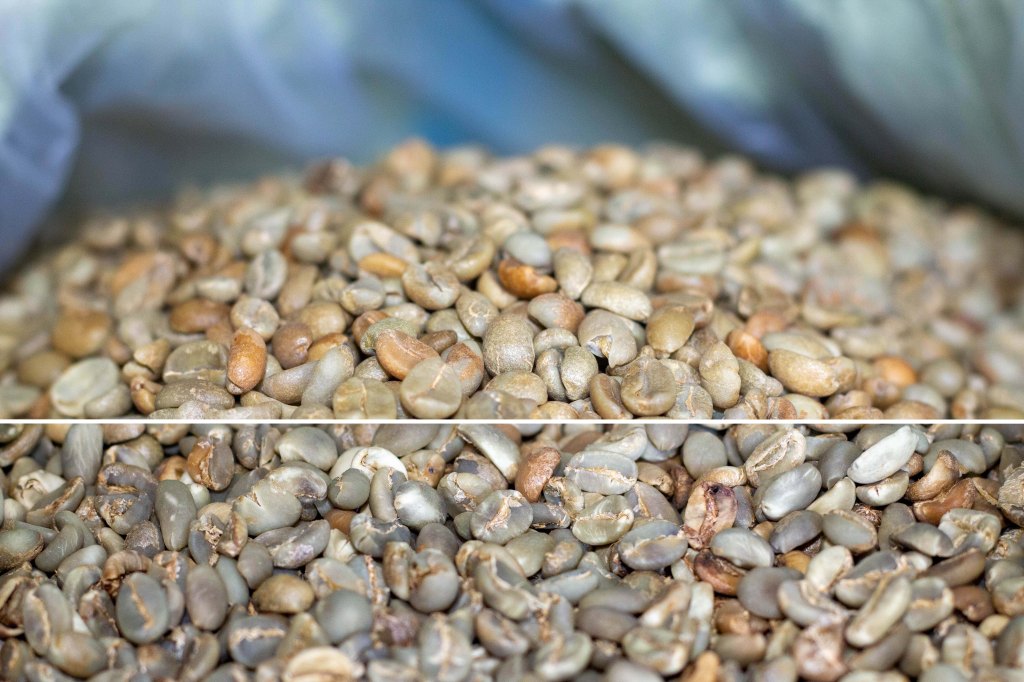
When it comes to coffee, the journey from the farm to your cup is a meticulous process, and how the coffee cherries are processed after harvest plays a significant role in shaping the flavor, aroma, and overall profile of the beans. Among the many methods used in coffee production, the Natural Classic, Natural Extend, and Washed Processing methods are some of the most prominent. Each of these methods imparts unique characteristics to the beans, resulting in distinct flavor profiles that coffee enthusiasts cherish. In this article, we’ll explore these three methods and how they differ.
1. Natural Classic Processing
Natural Classic processing is one of the oldest methods used to prepare coffee beans. In this method, coffee cherries are harvested and laid out to dry under the sun with the fruit still intact. The cherries are dried on raised beds or patios, allowing airflow to dry the cherries evenly. During this process, the cherries ferment naturally as the sugars and mucilage within the fruit interact with the coffee beans inside.
Key Characteristics of Natural Classic Processing:
- Flavor Profile: Beans processed using the natural method typically have a fruity, sweet, and complex flavor. You can expect notes of berries, tropical fruits, and sometimes even wine-like flavors.
- Body: Natural processed beans tend to have a heavier body, providing a fuller and richer mouthfeel.
- Fermentation: The fermentation process can sometimes lead to wild or unexpected flavor profiles, depending on the level of control during drying.
- Challenges: This method is highly dependent on the weather and requires careful management to avoid defects like over-fermentation or mold.
2. Natural Extend Processing
The Natural Extend process is a variation of the traditional natural method, with an extended drying phase that allows for more controlled fermentation. By extending the drying time, typically through slower, more meticulous drying techniques, the beans develop deeper, more nuanced flavors.
Key Characteristics of Natural Extend Processing:
- Flavor Profile: Natural Extend processed beans often have a more intense and concentrated flavor than the Natural Classic. The extended drying time allows for a richer sweetness and complexity, often with pronounced fruitiness and floral notes.
- Body: Similar to Natural Classic, but with an enhanced clarity of flavor. The body remains full, but the flavors tend to be cleaner and more defined.
- Fermentation: With the extended process, producers can better control fermentation, reducing the risk of defects while enhancing the development of desirable flavors.
- Challenges: The extended drying period requires careful monitoring of moisture levels and airflow to ensure even drying and prevent spoilage.
3. Washed Processing
The Washed Process (or wet process) is one of the most popular methods of coffee processing, particularly for high-quality Arabica beans. After harvesting, the coffee cherries are pulped, removing the outer skin and much of the fruit pulp. The beans are then fermented in water to remove any remaining mucilage, followed by thorough washing. Once cleaned, the beans are dried either in the sun or through mechanical dryers.
Key Characteristics of Washed Processing:
- Flavor Profile: Washed beans tend to have a cleaner, brighter, and more acidic flavor profile compared to natural-processed beans. Notes of citrus, floral tones, and sometimes tea-like qualities are often associated with washed coffees.
- Body: Washed coffees usually have a lighter body compared to natural-processed beans, allowing the inherent flavors of the bean and the terroir to shine through.
- Consistency: The washed process is known for producing more consistent results, as the removal of fruit pulp early in the process reduces the risk of fermentation defects.
- Challenges: This method requires a lot of water, making it less environmentally friendly in areas where water is scarce. Additionally, it’s labor-intensive and requires careful timing to achieve the desired flavor balance.
Comparing the Three Processes
| Aspect | Natural Classic | Natural Extend | Washed Processing |
|---|---|---|---|
| Flavor | Fruity, sweet, complex, sometimes winey | Intense, rich sweetness, floral | Clean, bright, acidic, tea-like |
| Body | Full, heavy, rich | Full, but with more clarity | Light to medium, clean mouthfeel |
| Fermentation Control | Low to moderate | High, with extended control | Minimal, controlled through washing |
| Processing Time | Medium to long | Long | Shorter, but requires more water |
| Environmental Impact | Low water use, but weather-dependent | Low water use, more controlled | High water use, less dependent on weather |
Choosing the Right Coffee for Your Taste
Each processing method brings out unique characteristics in the coffee beans. Natural Classic processed coffees are ideal for those who enjoy fruity, full-bodied coffees with bold and complex flavors. If you prefer an even more intense and structured flavor, Natural Extend processed beans might be perfect for you. On the other hand, if you prefer a cleaner, more refined cup with bright acidity and distinct flavors, Washed Processed coffees offer a refined experience.
In conclusion, the journey of coffee from cherry to cup is deeply influenced by how the beans are processed. Whether you’re a fan of the fruity richness of natural-processed beans or the clean, crisp clarity of washed coffees, understanding these methods allows you to appreciate the artistry and care that goes into every cup. So next time you brew a pot of coffee, take a moment to reflect on the process behind those beans and enjoy the unique flavors they bring!
 Ranting Estate Lestari
Tinggalkan komentar