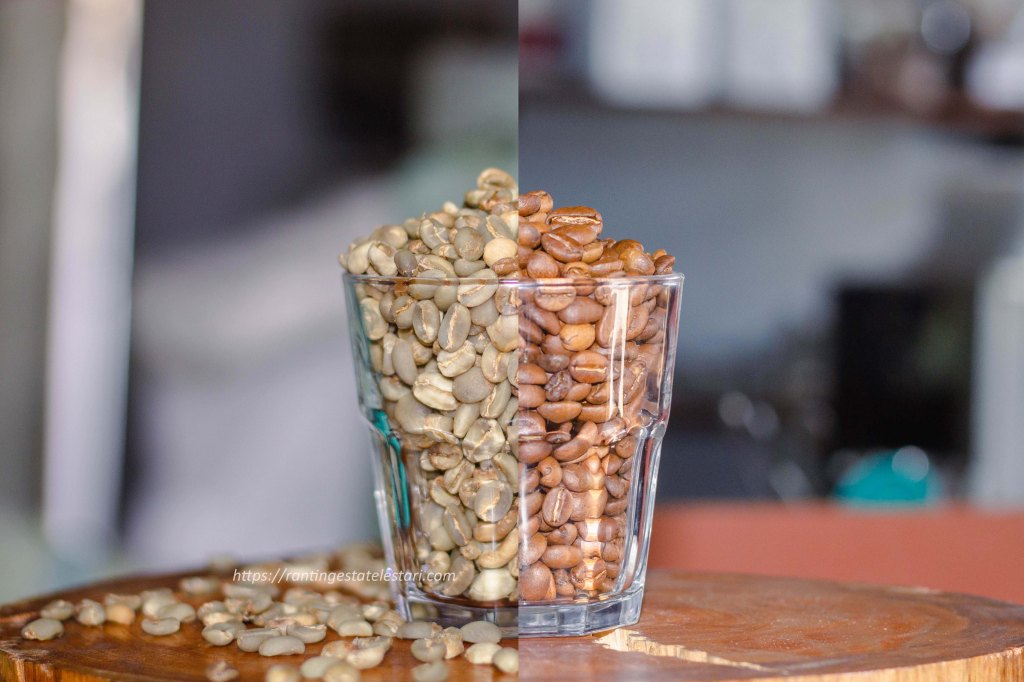
When you walk into a store that sells coffee, you will find various types of coffee beans labeled as light roast, medium roast, dark roast, medium-dark roast, and even espresso roast. In addition, some are referred to as American roast, French roast, Italian roast, and Vienna roast. The variety of coffee roast profiles often confuses many people.
The roasting process affects the flavor of the coffee. The shorter the roasting time, the lighter the beans, resulting in a sweeter taste with high acidity. On the other hand, longer roasting times produce darker beans with a stronger and slightly less acidic flavor.
French roast, Italian roast, and Vienna roast are all considered dark roasts. Vienna roast is the lightest of the three, with a slightly bittersweet taste and smoky aroma. French roast is darker, with a rich flavor and a slight burnt taste. Italian roast is the darkest and oiliest, with an almost charred flavor.
Although these names refer to certain countries, the roasts themselves don’t actually originate from those places. These names simply describe the roast level of the coffee beans, not their geographical origin.
The best roast between French, Italian, or Vienna depends on personal preference. Trying different roasts can help you find the flavor you like most.
1. Light Roast
Light roast coffee beans are roasted for a shorter period of time compared to medium or dark roasts, which results in a lighter color and retains more of the coffee bean’s original flavors. Here’s an in-depth explanation of what defines light roast coffee beans:
Characteristics of Light Roast Coffee Beans:
- Color: Light roast beans are usually a pale brown color, with a matte surface. Unlike darker roasts, they don’t have visible oils on the surface because the beans haven’t been roasted long enough to draw out the oils from within.
- Roasting Process: Light roast beans are roasted until the first crack, a point during roasting when the beans expand and crack due to internal pressure. Roasting usually stops just after this point, before reaching the second crack, which would create darker roasts.
- Flavor Profile: Light roasts maintain most of the coffee bean’s natural flavors, allowing more of the bean’s origin and growing conditions to be tasted. These coffees often have bright, fruity, floral, or citrus notes, making them ideal for people who enjoy complex and delicate flavors. They often have a more acidic and vibrant taste compared to darker roasts.
- Body: The body of a light roast is typically lighter and thinner compared to medium or dark roasts, which can feel fuller or more robust. Some describe the body of light roast coffee as similar to tea.
- Aroma: The aroma of light roast coffee tends to be floral, fruity, or sweet, with hints of the beans’ natural qualities.
- Caffeine Content: Light roast coffee beans generally retain more caffeine than darker roasts because the roasting process does not break down as much caffeine. However, the difference is minimal, and caffeine content also depends on brewing methods.
- Acidity: Light roasts are known for their higher acidity levels, which is often described as bright or tangy. This acidity is part of what gives light roasts their lively and dynamic flavor.
Why Choose Light Roast Coffee?
- Origin Characteristics: Light roast coffee beans are preferred by coffee enthusiasts who want to taste the unique characteristics of the coffee’s origin, whether it’s from Ethiopia, Colombia, or any other coffee-growing region.
- Complexity: The shorter roasting process preserves the bean’s original complexity, making light roasts a great choice for those who appreciate nuanced flavors.
- Health Benefits: Some studies suggest that lighter roasts may have higher levels of antioxidants, which can have added health benefits.
Best Brewing Methods for Light Roast Coffee:
Light roast coffee is best brewed using methods that highlight its subtle flavors, such as:
- Pour-over (e.g., Chemex, V60)
- Drip coffee maker
- Aeropress
- Cold brew
These methods bring out the coffee’s natural flavors, acidity, and brightness, which can be muted if brewed in a way that extracts too much of the coffee’s bitterness.
2. Medium Roast
Medium roast coffee beans are roasted longer than light roast but not as long as dark roast beans, offering a balanced flavor profile that sits between the two. Here’s a detailed look at what defines medium roast coffee beans:
Characteristics of Medium Roast Coffee Beans:
- Color: Medium roast beans are a medium brown color, and they typically don’t have an oily surface, though some oils may start to appear as the roast gets darker.
- Roasting Process: Medium roast beans are roasted past the first crack but not long enough to reach the second crack, which is when the bean begins to release more oils and take on a darker, more intense flavor. The roasting time for medium roasts is longer than light roasts, which mellows the acidity while increasing sweetness and body.
- Flavor Profile: Medium roast coffee beans offer a balanced mix of the bean’s natural flavors with added sweetness and nuttiness from the roasting process. The acidity is toned down compared to light roasts, and flavors are often described as smooth, well-rounded, with hints of caramel, chocolate, and nuts. This makes medium roasts appealing to a wide range of coffee drinkers.
- Body: Medium roasts have a fuller, richer body than light roasts. The coffee feels more substantial on the palate, with a bit more depth and creaminess, though still lighter than dark roast coffee.
- Aroma: The aroma of medium roast coffee can include hints of sweetness, caramel, or toast, combined with some of the origin characteristics of the coffee beans.
- Caffeine Content: Medium roasts have a slightly lower caffeine content than light roasts, but the difference is minor. The longer roasting process breaks down a bit more caffeine, but it’s not enough to significantly alter the coffee’s strength in most cases.
- Acidity: The acidity in medium roast coffee is moderate. While still present, it’s much less pronounced than in light roasts, offering a smoother cup without the sharp, tangy bite associated with higher acidity levels.
Why Choose Medium Roast Coffee?
- Balance: Medium roast coffee beans are a popular choice because they provide a balance between the brightness and fruity flavors of a light roast and the rich, bold flavors of a dark roast. It’s the middle ground that can please a variety of tastes.
- Versatility: Medium roasts can work well for almost any brewing method, making them a versatile option for different coffee drinkers and equipment.
- Accessibility: The flavors in medium roasts are usually familiar and approachable, often featuring warm notes like chocolate, caramel, and nutty tones, without being overly strong or bitter.
Best Brewing Methods for Medium Roast Coffee:
Medium roast coffee beans are versatile and can be brewed in various ways, including:
- Drip coffee makers (standard home coffee machines)
- French press (for a rich, full-bodied brew)
- Pour-over (for more nuanced flavors)
- Cold brew (medium roasts can give a smoother, sweeter cold brew)
- Espresso (if you want a slightly lighter, less intense espresso than what dark roasts offer)
Popular Medium Roast Terms:
- City Roast: A term often used to describe a classic medium roast, where the beans are roasted just past the first crack.
- Breakfast Roast: Another term for medium roast, usually marketed as a well-balanced and approachable option for morning coffee.
Summary of Medium Roast Coffee Beans:
Medium roast coffee beans are perfect for those who want a balanced coffee experience. The acidity is moderate, the body is fuller than a light roast, and the flavors are rich yet approachable, often featuring a blend of origin characteristics and roast-induced notes like caramel, chocolate, or toast. These roasts are versatile and can suit a variety of brewing methods, making them one of the most popular choices among coffee lovers.
3. Dark Roast
Dark roast coffee beans are roasted for a longer time than light and medium roasts, resulting in beans that are dark brown to almost black in color with a glossy, oily surface. These beans develop a bold, rich flavor profile, often with a robust, smoky, or even slightly burnt taste. Here’s a detailed explanation of dark roast coffee beans:
Characteristics of Dark Roast Coffee Beans:
- Color and Appearance: Dark roast beans are dark brown, sometimes even black, and have an oily sheen due to the release of natural oils during the longer roasting process. This oiliness is a hallmark of dark roasts and is often visible on the surface of the beans.
- Roasting Process: Dark roast coffee beans are roasted past the second crack—the point where the beans crack open a second time during roasting. This long roasting period burns off most of the coffee bean’s natural characteristics, replacing them with flavors developed from the roasting itself. The extended heat exposure causes the beans to lose more moisture, creating a bolder, denser product.
- Flavor Profile:
- Boldness: Dark roast coffees are known for their intense, bold flavors. Common descriptors include smoky, chocolaty, and sometimes spicy or earthy.
- Bitterness: Dark roasts tend to have a lower acidity but can be more bitter due to the longer roasting time. Some dark roasts may also have caramelized or burnt sugar notes, giving them a deep, rich taste.
- Roast Dominance: Because of the extended roasting time, dark roasts often mask the origin characteristics of the beans. This means flavors specific to the coffee’s region (such as fruity or floral notes) are replaced with deep, roasted flavors like chocolate, caramel, or a smoky finish.
- Body: Dark roasts typically have a fuller, heavier body compared to light and medium roasts. The texture of the coffee is often thicker, giving a more substantial mouthfeel.
- Aroma: The aroma of dark roast coffee is strong and can include hints of charred wood, chocolate, or even spice. The deeper roasting process creates a distinct smell that is unmistakably robust and intense.
- Caffeine Content: Contrary to popular belief, dark roast coffee generally contains slightly less caffeine than light roasts. This is because the longer roasting time burns off some of the caffeine, though the difference is small and may not be noticeable in a typical cup.
- Acidity: Dark roast coffee beans have lower acidity than light or medium roasts. This makes them a good option for people who prefer a smoother, less tangy coffee experience.
Popular Dark Roast Varieties:
- French Roast: Known for its smoky, charred flavor with minimal acidity.
- Italian Roast: One of the darkest roasts available, often with an almost burnt taste and very little acidity.
- Vienna Roast: A slightly lighter dark roast, often retaining a bit more of the coffee’s natural flavors while still having a deep, rich profile.
- Espresso Roast: While not always the darkest roast, espresso is often made with dark roasted beans to create a bold, concentrated flavor.
Why Choose Dark Roast Coffee?
- Bold Flavor Lovers: Dark roast coffee is ideal for those who enjoy a robust, full-bodied cup with deep, roasted flavors. It’s less about the origin of the beans and more about the roasting process.
- Lower Acidity: If you’re sensitive to acidity or prefer a smoother, less tangy coffee, dark roast is an excellent option.
- Espresso Enthusiasts: Dark roast beans are often used for espresso, as the strong flavor pairs well with the concentrated brewing method. The oils in the beans also help create a rich crema when pulling a shot of espresso.
Best Brewing Methods for Dark Roast Coffee:
- French Press: The French press brewing method enhances the richness and body of dark roast coffee, allowing the natural oils to come through in the final cup.
- Espresso Machine: Dark roast beans are perfect for pulling a rich, concentrated shot of espresso with a thick crema.
- Drip Coffee Maker: A traditional drip coffee maker can also bring out the full-bodied flavor of dark roast coffee.
- Cold Brew: Dark roast is also great for cold brew, as the long steeping process highlights the deep, chocolatey, and nutty flavors without emphasizing bitterness.
Pros and Cons of Dark Roast Coffee Beans:
Pros:
- Rich, bold flavors that many coffee drinkers love.
- Lower acidity, which is easier on the stomach.
- Ideal for espresso or strong coffee beverages.
Cons:
- The roasting process can mask the natural flavors of the beans, meaning origin notes like fruity or floral tones are often lost.
- Can be more bitter compared to light and medium roasts.
Summary of Dark Roast Coffee Beans:
Dark roast coffee beans offer a bold, full-bodied experience with deep, roasted flavors like chocolate, caramel, and smokiness. The low acidity and heavy body make it appealing to those who enjoy strong coffee, especially in espresso or French press brews. While the natural flavors of the beans are often diminished, the intense roast characteristics make dark roasts a favorite for those who prefer a rich, robust cup.
 Ranting Estate Lestari
Tinggalkan komentar